
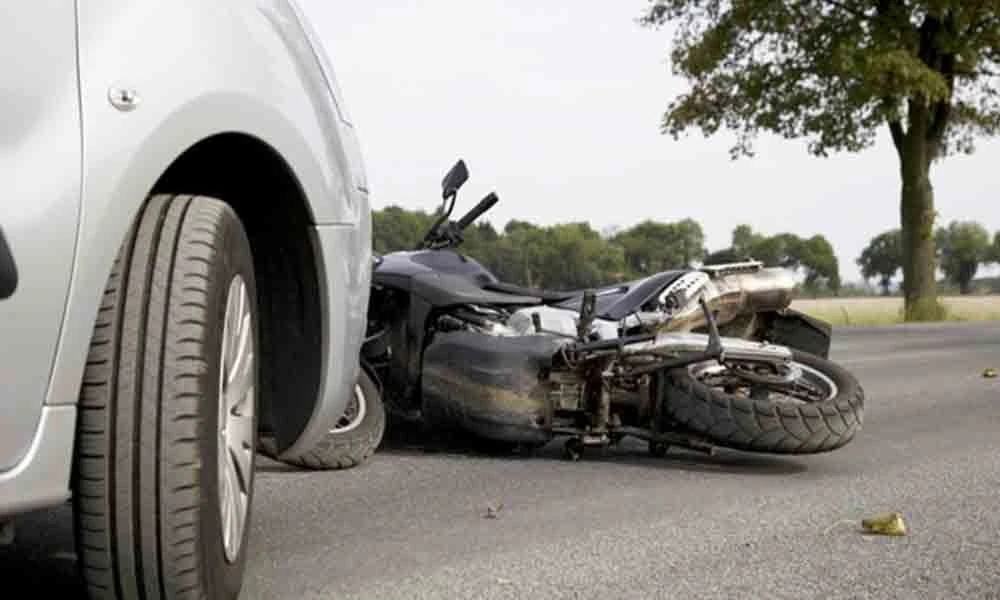
A motorcycle accident claim can become complicated when the people involved disagree about what caused the collision. An insurance company may challenge the rider’s description of events, another driver may deny responsibility, or several parties may offer conflicting accounts. These disagreements can affect whether an injured motorcyclist receives compensation and how much may ultimately be recovered. A strategy that considers both immediate and long-term losses, a thorough understanding of Colorado law, and the collection of evidence is necessary to address a disputed claim.
Reconstructing Events Beyond Driver Statements
Conflicting statements are common after a collision. Instead of allowing a claim to depend entirely on one person’s version of events, a legal strategy can focus on reconstructing what physically happened.
Damage patterns on the motorcycle and other vehicles may reveal the direction and force of impact. Skid marks, debris locations, final vehicle positions, road markings, and photographs of the scene can provide additional context. In complicated cases, accident reconstruction specialists may analyze these details to develop an evidence-based explanation of the collision.
A motorcycle accident attorney in Denver may also seek nearby surveillance recordings, dashcam footage, traffic camera information when available, and photographs taken shortly after the crash. Evidence collected independently of the drivers’ statements can become particularly valuable when liability is disputed.
Examining Traffic Rules And Right Of Way
A disagreement about fault often involves different interpretations of who had the right of way. Legal analysis may therefore include the traffic rules that applied at the exact location of the collision.
For example, an attorney may examine whether a driver made an unsafe turn, changed lanes without sufficient clearance, failed to yield, followed too closely, or disregarded a traffic signal. The road design itself can also matter. Lane configurations, visibility limitations, construction zones, and traffic signs may help explain the decisions made by each road user.
Connecting specific conduct to the circumstances of the collision creates a more structured argument than simply claiming that another driver was careless.
Addressing Shared Fault Arguments
Colorado follows a modified comparative negligence system. Under Colorado Revised Statutes Section 13-21-111, an injured person can generally recover damages when their negligence is less than the combined negligence of the person or people from whom recovery is sought. Any award may be reduced according to the injured person’s percentage of fault.
This makes fault percentages particularly important in disputed motorcycle cases. An insurer might argue that a rider was traveling too fast, was positioned improperly in a lane, or could have reacted differently.
A legal strategy should examine these allegations against objective evidence rather than accepting them at face value. Vehicle data, photographs, witness testimony, expert analysis, and physical evidence may help determine whether an accusation of shared fault is supported.
Finding Witnesses Who Can Clarify The Collision
Independent witnesses can provide useful information when drivers tell conflicting stories. A witness may have observed the position of the vehicles before impact, the traffic signal, a sudden lane change, or another important event.
Witness credibility also matters. Statements should be collected while memories remain relatively fresh. Attorneys may compare witness accounts with photographs, police documentation, and physical evidence to determine whether different sources support the same sequence of events.
Businesses and residences near the accident location may also provide additional sources of information. Identifying potential witnesses early can prevent valuable evidence from disappearing as time passes.
Separating Injury Disputes From Liability Disputes
An insurance company may accept that its policyholder contributed to a crash while questioning whether all claimed injuries resulted from that collision. This creates a second dispute within the same case.
Medical documentation can help establish a timeline between the accident, symptoms, diagnosis, and treatment. Consistent medical records may also show the progression of an injury and its effect on mobility, employment, sleep, or everyday activities.
A motorcycle accident attorney in Denver can evaluate both sides of the case separately, building evidence for fault while also documenting the nature and financial consequences of the injuries.
Calculating Losses Beyond Current Medical Bills
A disputed claim should not focus exclusively on bills already received. Serious motorcycle injuries may create financial consequences that continue for months or years.
Potential damages can include medical expenses, rehabilitation, lost wages, reduced earning capacity, property damage, and certain noneconomic losses. Future treatment recommendations and employment limitations may also need consideration.
Documenting these losses carefully provides a clearer picture of what the accident has actually cost the injured person. This can be especially important when an insurer makes an early settlement offer before the full consequences of an injury are known.
Preparing The Claim With Litigation In Mind
Not every motorcycle accident dispute goes to trial, but preparing a case as though litigation may become necessary can strengthen its foundation. Evidence should be preserved, deadlines tracked, witnesses identified, damages documented, and disputed allegations addressed systematically.
A motorcycle accident attorney in Denver can also evaluate settlement proposals against the available evidence and potential value of the claim. If negotiations fail to produce an appropriate resolution, organized documentation can support the transition into litigation.
Conclusion
Disputed motorcycle accident claims require more than competing accounts of what happened. Strong legal strategies rely on physical evidence, traffic laws, independent witnesses, medical documentation, careful damage calculations, and detailed analysis of shared fault allegations. By building the claim around verifiable facts and preparing for potential challenges from insurers or opposing parties, injured riders can pursue a resolution based on the complete circumstances surrounding the collision.
